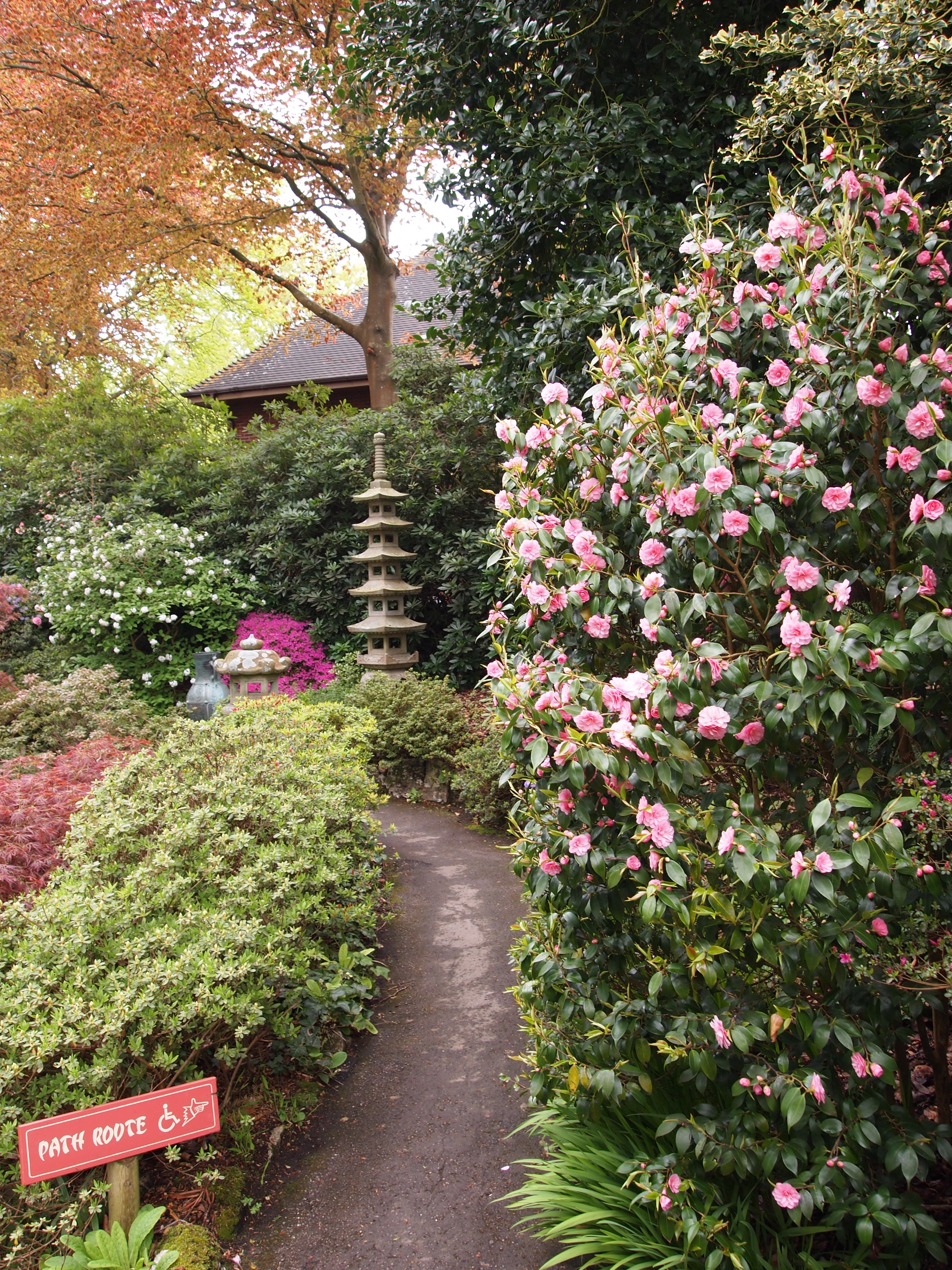
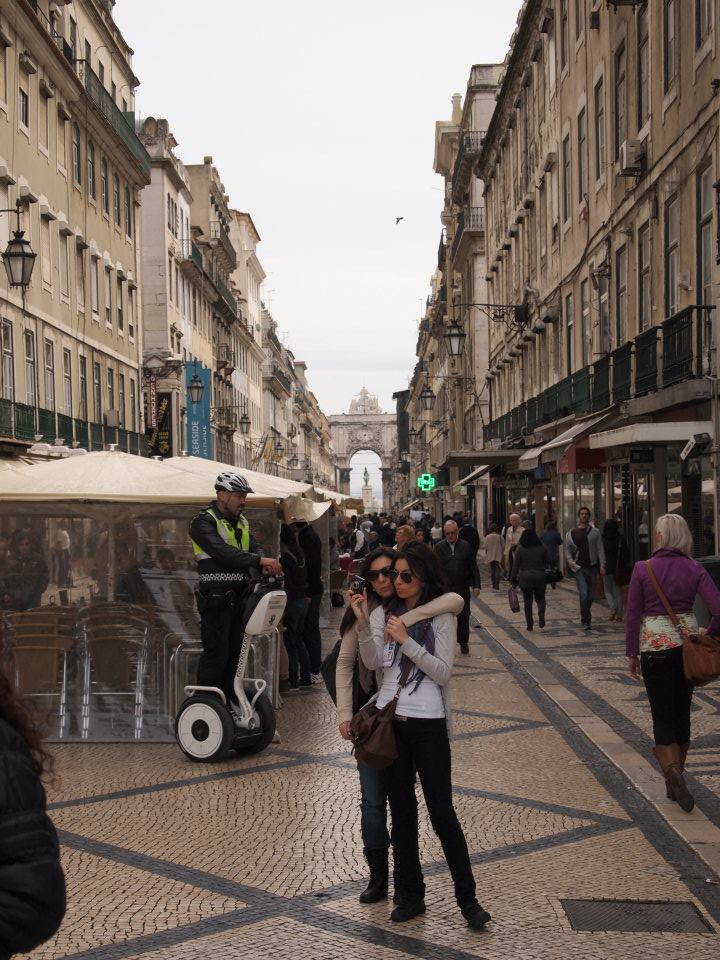
Here is my first picture this November for Becky's Walking Squares

A walk at Britten's pond, before the rain came!

Lost in the past. Stories of people and places.
Here is my first picture this November for Becky's Walking Squares
A walk at Britten's pond, before the rain came!
La Palma also know as La Isla Bonita is the fifth largest of the Canary Islands.


We stopped at a Buddhist temple where we removed our shoes.
Inside the walls were colourfully decorated and the painted Buddha was 20 foot
high. A dragon and two lions guarded the door. There were also large statues of
disciples and these had many flower head offerings. Our next stop was at Mount
Lavinia where we watched some women making pillow lace. I bought a small pink tablecloth
with coffee coloured lace edging and my mother bought a moonstone brooch. Then we sat down to
drink refreshing fresh lime. Driving through the countryside it was very green
and lush. After a very hot morning we were relieved to be back on the
air-conditioned ship although the contrast in temperatures made us cough and
sneeze. Because it was an expensive
harbour for the shipping company, we set sail at 2 pm, to the usual rousing
music played over the loudspeakers. Looking back at the island we could see
rain clouds gathered and two rainbows. We were also excited when a spout of
water marked the appearance of a whale.
We were still meeting new people on board as we travelled. That day we chatted to a South American lady who was married to a Frenchman. She, her maid and her four children were going to meet her husband in Hong Kong from where they would fly to the Philippines and then Australia. In the evening we sat in the library listening to records of Gilbert and Sullivan music. The following evening was more entertaining when they showed the film of Doctor in Clover starring Leslie Phillips and Joan Sims. If there was nothing arranged, we often sat with Mrs S or the Countess as she had the right to be called. She was a widow in her 50s who had been held in the concentration camp, Belsen, during the war. Surviving but with no family, she met and married an Italian Count with property in Tripoli, Libya. In the 1950s and early 60s there was a vibrant international social life there but now on her own she had decided to cruise to Hong Kong. She certainly made an interesting companion.

Three days after leaving Ceylon we approached the Malayan Island of Penang. First, we saw a small lumpy isle covered in birds and then the island of Penang, with the mainland beyond it, came into view in the afternoon sunshine. Even at some distance we could see the bright red colour of the soil. Much of the island was covered with tropical trees but we were mooring up in Georgetown. There was a pleasant breeze as we climbed into a local taxi driven by a man of Pakistani origin who had lived on the island for many years. He told us a great deal about the history of Penang. He drove us to Chinatown and the fish market and past industrial premises before driving out of the town. We saw some orchids growing like sweet peas on stakes and many trees and shrubs we had also seen in Ceylon. Bullock carts trundled along and there were impressive herds of hump-backed cattle. Men on bicycles were selling milk from huge brass cans. We saw our first paddy fields and nearby were water buffaloes tied to a pole. Also on the farms were goats, small chickens, geese, dogs and even a few turkeys. Many of the houses were on stilts.

Ornate Chinese temples alternated with simple white mosques. We climbed up the steps of the famous Snake temple to find snakes curled up everywhere inside, under the table and round the candlesticks and round the flowers out in the garden. Apparently, the incense burned made them sleepy. From there we drove to Kek Lok Si monastery which was the largest in Malaysia. It contained Buddhas of varying styles from all over the world, in marble, bronze and stone. There were also beautiful statues of goddesses. We had to climb many steps and ignore all the traders touting for business along the way. There was pond containing turtles and another with black carp. We climbed to the top of the pagoda to see the view of the harbour. Our driver then took us to the Botanical Gardens to see the first rubber tree planted in Penang when it was brought from Kew Gardens. The gardens were full of monkeys which climbed all over the car when we stopped. After returning to the ship for dinner we went for a walk near the ship but were constantly bothered by trishaws wanting to give us a ride. On the fruit stalls we came across the foul-smelling durians which apparently taste delicious. The lychees and apples appealed to us more.
That night was July 30th1966 and one of the other
couples on board had bought a “Round the World” radio so a few of us sat on
deck listening to the World Cup final from London when England beat West
Germany.
Next day we arrived at Port Swettenham on the mainland of Malaya. We took a day trip by coach to Kuala Lumpur, stopping off at a rubber plantation of long parallel rows of trees. We were shown the small collecting bowls tied to the trees to catch the sap from the thin cuts made in the bark. We also saw coconut oil palms which were quite small. The nuts growing round the base looked like large acorns. When they are red and ripe, they are crushed to extract the oil. At Kuala Lumpur we were impressed by the modern university in its park setting. At the newly opened National Museum, we saw traditional Chinese costumes, ancient Malay weapons and beautiful butterflies. The vast National Mosque was yet another impressive modern building.

The ship sailed south overnight, and we woke on August 1st
as the Cathay docked in Singapore. We were so pleased to be greeted by old
friends who drove us to a small hotel where we would stay until we had arranged
accommodation. It was the beginning of a new exciting part of our lives which
we would never forget.

In 1966 I had just taken my final GCE O level exam when I finished packing and set out with my parents on a voyage to Singapore. Once we had taken our ginger cat up from Yorkshire to Scotland, by train, to live on my grandparent’s farm, we travelled down to Southampton to embark on the P & O ship Cathay. By today's standards this was a very small cruise liner. Only 14000 tons, it took 240 passengers. Arriving on board on July 8th, we watched one of the cars being lifted up from the wharf in two large nets, one for each set of wheels, to be deposited in the hold before having a noisy night in our cabins listening to all the rest of the cargo being loaded. We were determined to witness our departure, so we were up and dressed at 6.30 am. It was a dull misty morning but it was fascinating to look out over Southampton water and round the Isle of Wight past the Needles. As we entered the Bay of Biscay it became rougher and the boat started to roll. My mother and I felt lightheaded and my father had to lie down. There were no stabilisers on the ship, but I soon felt well enough to play table tennis on deck. We had found another British family, also going to live in Singapore, with two boys, Chris and Mike, one younger than me and one older. Their father, like mine, worked as a civil servant for the Ministry of Defence and at that time there was a very large British Military presence in Singapore. We would be attending the same British Army Comprehensive school there.

At our table in the dining room were two other people, the wife of an army officer travelling with her small son who had eaten earlier and also “a cockney rough diamond” (according to my mother) who ate beef salad for every meal including breakfast. Occasionally one of the ship’s officers joined us. The food was excellent with several delicious courses so unfortunately I put on a lot of weight during the 6 week voyage. Every morning, Mum and I walked round the deck 9 times but that was only one mile! The swimming pool was tiny but a lot of fun in rough weather when it surged from side to side. I soon met two girls who were also going to be at my school in Singapore, one was two years younger, but the other, Jill, was my age so we soon became inseparable. My mother had made friends with a young lady from Ceylon who wore some very beautiful saris each evening. She had also met a missionary on his way to Borneo.
Sadly there was no stop until we reached Port Said a week after our departure. Our only sight of land being the rock of Gibraltar looming in the dark. As we approached Port Said, a pilot boat came alongside and the pilot scrambled up a ladder onto our ship. As the ship drew nearer to its mooring boys swam all around it, calling to the passengers to throw money which they would dive for. Soon there were many small boats touting leather pouffes, bags and jewellery. Some traders came on board and my mother bargained for 2 small wallets. She was very pleased to receive 3 letters sent from family and friends in the UK.
We went on an organised tour of Port Said in a fleet of
taxis, honking their horns to clear pedestrians out of the way. Passing donkey
carts we were taken to see new blocks of flats in narrow streets and then we
arrived at a mosque. Taking our shoes off outside we walked on the rush matting
and admired the magnificent chandelier above. Next to the Roman Catholic church
where a beautiful painting was shown to us, above the altar. The echoing voice
of our guide was difficult to hear. After driving over a rickety bridge to the
edge of the Canal we were shown hovels which seemed to be built with wattle
walls. The land seemed to be divided into small allotments for each house and
they were growing small red peppers, tomatoes, sweet corn and mint. Two grubby
children gave us beaming smiles which were of course rewarded by the tourists.
Next we were taken to the very fine railway station with its walls of murals
showing transport from horse to train and sailing ships to large liners. I saw these again recently on a TV programme.
Driving back, we saw goats wandering along the road, an
occasional sheep and many unhealthy horses. The main shops were not tempting but
the stalls of prickly pears and water melons looked good. There were shops called Boots and Woolworths
but they had no connection to the British or American companies. There was even a shop
called Harry Lauder, perhaps because so many Scottish engineers had worked
there. We saw many healthy looking dogs but only one skinny cat. This was the first time I saw oleanders
growing and there were also small sunflowers, geraniums, zinnias and canna
lilies. As we walked along my father was constantly bothered by men trying to
sell him “dirty postcards” but we just bought a collection of Egyptian stamps
instead!
We were relieved to leave the hot land and go back on board
for dinner. Afterwards a “Gully Gully” man came on board. He did several
conjuring tricks, mainly involving the appearance of chickens! I was to see
many more Gully Gully men in Singapore but they usually charmed snakes. During
the evening we watched a small armada of ships arrive from the Suez Canal. One
was the Chitral, sister ship of our Cathay which moored nearby and there were
many tankers and two submarines. Little
did we realise that less than a year later the Canal would be closed by the
Arab-Israeli war. 15 ships travelling north along the canal were trapped for 8 years, their crews changing every 3 months and all other sea transport had to sail round the African continent past Cape Town.
We watched on deck as our ship entered the Canal seeing the spot where we had been earlier in the day and then went to bed. At 6 am we were the second ship in the convoy in a very narrow part of the Canal. Unlike the Panama Canal there are no locks on the Suez Canal. On one side it was lush with trees with colonial style bungalows and date palms, on the other bank we saw sandy desert. We were told our speed was seven and a half knots and 4 different pilots took it in turn to guide us through. Later we stopped at anchor in Great Bitter Lake waiting for the northbound ships to come through. My mother wondered if the BP tanker, British Prestige, was bound for Loch Long, near to our grandparents. Our ship had to pay £7200 to pass through the Canal.

Entering the Red Sea we were hit by the intense heat, so we
appreciated our air conditioned cabins. It was wonderful to see a few porpoises
and many flying fish. We were now loving the swimming pool which felt like a
warm bath. Approaching Aden, we were advised that it was not a safe place, but
the ship needed to refuel at the BP oil pipes in the sea. There were brown
hills behind the small town. We boarded a launch to take us to the port.
There we saw many Scottish soldiers carrying guns. The shops sold mainly
cameras, binoculars and electrical equipment, so we refrained from spending any
money. Once again we saw many goats and a skinny cat. The Elinis, a ship we had
seen at Port Said was also moored offshore. It was full of people on their way
to live in Australia, so they were buying sewing machines, radios and record
players. Six months later there were riots in the old Arab quarter of Aden town and in June 1967 mutiny spread from the South Arabian Federation Army to local police. Eight British soldiers were killed by mutineers followed by ambushes in the following weeks when 12 more British soldiers died. In November 1967 the British Army withdrew and Aden became part of Yemen. We were unaware of the future but glad to return to the ship and couldn’t believe how romantic
the lights of Aden looked at night. A lady on deck said to me, “Wait till you
see, Hong Kong.” Of course she was right but it was a year later before I had
that experience.
We had 6 days of sea travel when we encountered monsoon
winds that made the Bay of Biscay seem like a millpond. When we went to the bow
of the ship a huge wave came over and soaked us. Both my father and I were
seasick but my mother had a stronger constitution. I recovered in time to see
the film “Our Man in Marakesh,” even though at mealtimes everything was sliding
off the tables, but my father was still unwell. Every night the clock was put
forward half an hour, so we had less time in bed. We spent a lot of time
playing deck quoits, playing Scrabble and entering word competitions set by the
ship. They finally put on a dance of modern music on records for us teenagers
which made a change. Each Sunday the Captain took a church service.
We were about to arrive at the beautiful island of Ceylon (now Sri Lanka) but that is a story for another day.
With thanks to my mother who wrote in detail to my grandmother about our voyage and to my grandmother for keeping the letters.
Maps from Creative Commons: daves_archive_1 on Flickr and I O Heroditus on Wikipedia
Part Two of my journey to Singapore in 1966